
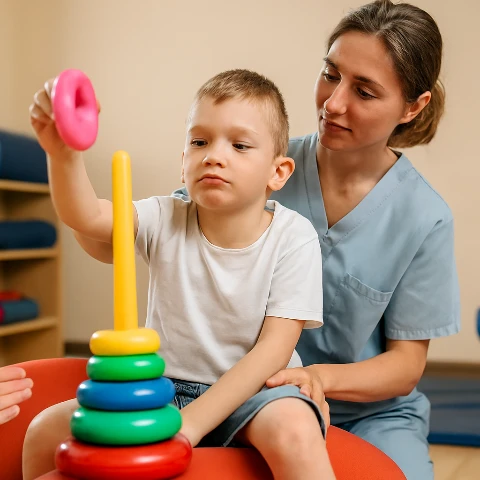
What is Occupational Therapy for children?
Occupational Therapy (OT) teaches children to be able to do things in everyday life:
- It teaches life skills
- Uses play, fun, and practice
- Helps the body and brain work better
- Done by trained therapists
OT is important in these scenarios when children struggle with completing daily activities. OT teaches them how to eat, dress, write, play and remain calm.
For strength, concentration and confidence. It also works on hand-eye coordination, balance, and understanding of things. It makes them excited and happy about school and life.
Who Needs Occupational Therapy?
Children who have difficulty performing basic daily life activities benefit from Occupational Therapy. It promotes their growth, independence and confidence at home as well as in school.
Kids with developmental delays
- Late to sit, walk, or talk
- Can’t feed or dress themselves properly
Kids with Autism
- Avoids eye contact
- Doesn’t like changes in routine
- Sensitive to noise or touch
Kids with ADHD
- Can’t sit still
- Easily distracted
- Messy with tasks
Kids with sensory issues
- Hates tags, loud sounds, or bright lights
- Crashes into things
- Doesn’t like hugs or touching
Kids with physical disabilities
- Trouble with balance or coordination
- Struggles to use hands or fingers
- Can’t do tasks like buttoning or using spoons
Kids with learning problems
- Poor handwriting
- Can’t hold a pencil right
- Struggles with cutting or pasting
Kids with emotional challenges
- Gets upset easily
- Can’t follow routines
- Avoids social situations
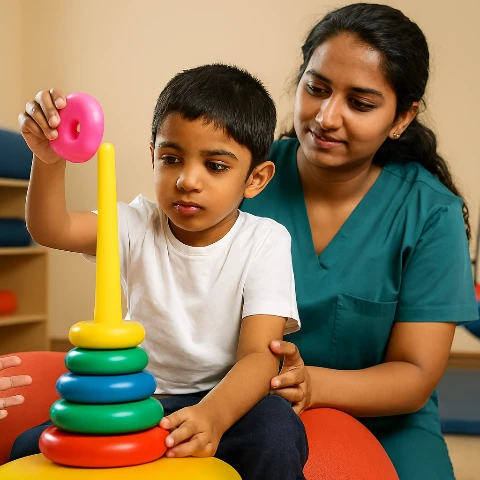
Early OT Signs by Age Group
Early OT Signs in Children Aged 0-3 years
- Difficulty with communication
- Limited social interactions
- Repetitive behaviours
- Walking, crawling, sitting difficulty
- Inattention / Hyperactivity / Impulsivity
- Delayed speech and language skills
- Emotional outbursts (related to sensory overload)
- Limited play range or short attention during play
- Sleeping/eating/toileting difficulties
- Unaware of personal space
- Clumsiness or frequent falls
- Avoidance of eye contact
- Not hearing what’s said (possible hearing issues)
- Difficulty following routines
Early OT Signs in Children Aged 3-5 years
- Difficulty with motor skills (covers scissor, pencil use)
- Inattention / Hyperactivity
- Trouble with social skills
- Difficulty with daily tasks
- Poor memory retention
- Trouble with fine motor skills (e.g., buttoning)
- Difficulty with hand-eye coordination
- Difficulty with understanding/expressing language
- School readiness concerns
- No consistent hand dominance
- Difficulty transitioning between tasks
- Trouble jumping feet together
- Clumsiness / frequent falls (though mentioned in 0–3, not repeated here)
- Slow learning progress
- Underdeveloped dressing, eating, toileting (though broadly implied, not specific)
Early OT Signs in Children Aged 5+ years
- Poor concentration
- Academic challenges (reading, writing, math)
- Trouble following instructions
- Poor memory retention
- Difficulty with motor and coordination skills
- Difficulty with expressive and receptive language
- Poor problem-solving skills
- Poor organisation
- Underdeveloped physical skills (distinct from motor skills)
Benefits of Paediatric Occupational Therapy
Paediatric Occupational Therapy helps kids to develop skills and confidence for the overall development al growth.
- Helps kids write, button clothes, and use spoons
- Makes it easier to handle loud noises or rough textures
- Improves balance for running, jumping, and playing
- Teaches kids how to dress, eat, and take care of themselves
- Helps focus better in school and finish tasks
- Builds confidence by learning new skills
- Creates daily routines that are easy to follow
- Occupational Therapists at Continua Kids
- The best occupational therapists help to make everyday things enjoyable and simple for kids at Continua Kids, the best occupational therapy centre in India. Some children may have difficulty holding objects, writing, eating, or dressing themselves. Our Occupational Therapists take them through “step-by-step” in each activity allowing them to feel confident and independent in every step of their way.
What Occupational Therapists Do?
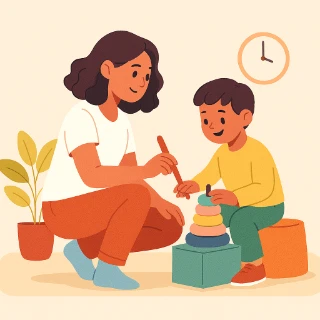
Improve Daily Skills
- Eating
- Dressing
- Brushing
Help with Hand Movements
- Holding a pencil
- Using scissors
- Gripping a spoon
Build Body Strength and Balance
- Sitting properly
- Climbing stairs
- Playing safely
Improve Focus and Attention
- Sitting in class
- Listening to instructions
- Completing tasks
Make Kids Independent
- Do things on their own
- Feel confident
- Learn life skills
Which Disorders Need Occupational Therapy?
Occupational therapy can be life changing for various conditions. The disorders include:
- • Autism Spectrum Disorder
- • Cerebral Palsy
- • Stroke
- • Multiple Sclerosis
- • Parkinson's Disease
- • Traumatic Brain Injury
- • Developmental Delay
- • Spinal Cord Injury
- • Amputation
- • Dementia
- • ADHD
- • Learning Disabilities
Occupational Therapy Process at Sushrut Kilkari
We follow a personalized approach and offer occupational therapy for each child on the severity of symptoms. Here’s how it works:
Initial Consultation and Assessment
- Meet to understand your child’s needs.
- Observe abilities and challenges.
- Assess key areas for development.
Creating a Personalized Treatment Plan
- Develop a tailored treatment plan.
- Focus on daily task skills.
- Include exercises and specific goals.
Implementing Occupational Therapy Sessions
- Start therapy sessions for 45 minutes based on the plan.
- Use fun activities for skill development.
- Ensure sessions are interactive.
Regular Monitoring and Adjustments
- Track progress throughout therapy.
- Adjust the plan as needed.
- Provide regular updates and feedback.
At Sushrut Kilkari, our expert therapists use fun, targeted methods to help your child conquer everyday tasks. Here’s how we make daily life easier for your child:
Master Daily Tasks
We help kids in performing daily activities like:
- Getting dressed
- Eating and feeding
- Personal hygiene
- Brushing teeth & grooming
Tools for Success
Adaptive tools make life easier:
- Special utensils for eating
- Writing helps for better handwriting
- Modified brushes for easy grooming
Safe and Sound at Home
Home safety tips for a stress-free environment:
- Child-proof spaces (e.g., handrails, ramps)
- Safety modifications (e.g., padded corners, clear paths)
- Simple home adjustments to boost confidence
Empowering Parents & Caregivers
Support at home with expert tips:
- Training caregivers in daily task strategies
- Handling sensory overload with ease
- Fostering social skills for better peer interactions