
What is Early Intervention?
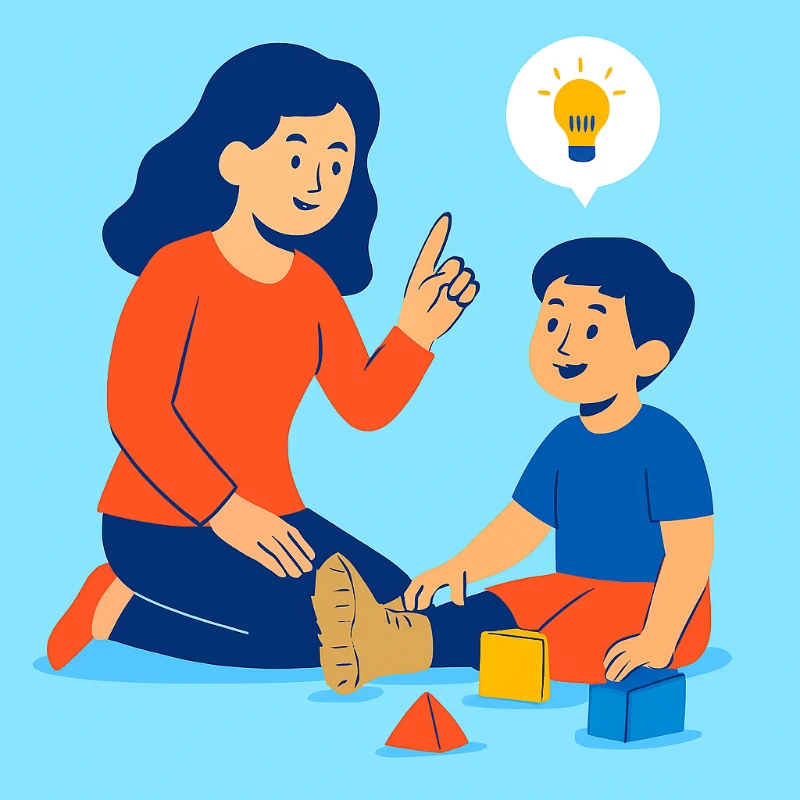
Early Intervention is a specialized program designed to provide comprehensive support and services to babies and toddlers (from birth to 3 years old in most states/territories) who may be experiencing developmental delays.
These services cover a range of areas such as speech and language, physical development, social skills, and more.
By identifying and addressing developmental delays early on, Early Intervention aims to enhance a child’s ability to learn new skills and thrive both in school and life.
It’s a proactive approach aimed at reducing the risk of further neurodevelopmental disorders by intervening as early as possible.
Benefits of Early Intervention
Children who have difficulty performing basic daily life activities benefit from Occupational Therapy. It promotes their growth, independence and confidence at home as well as in school.
- Effectiveness: Intervention is most effective when provided early in a child’s life, as the brain’s neural circuits are most adaptable during the first three years.
- Maximized Potential: Early Intervention increases the chances of a child reaching their full potential by addressing developmental delays promptly.
- Reduced Risk Factors: By targeting developmental delays early, Early Intervention works to reduce risk factors and enhance protective factors in a child’s life.
- Holistic Support: It provides holistic support covering physical, cognitive, behavioural, and emotional development, ensuring a well-rounded approach to each child’s needs.


What is Parental Guidance?
Parental Guidance is a program designed to empower parents in fostering the healthy development and well-being of their children at home.
Through this program, parents receive training and support in implementing clinical strategies and psychological methods to provide emotional support and assist their child in acquiring the necessary skills.
Parental Guidance recognises the critical role of parents in shaping their children’s development and aims to equip them with the tools and knowledge needed to navigate challenges effectively.
Benefits of Parental Guidance
- Empowerment: Parents are empowered with the skills and techniques to support their child’s development and address any challenges they may face.
- Resilience Building: Parental Guidance helps parents build resilience in their children, enabling them to overcome obstacles and develop a strong sense of identity.
- Improved Relationships: By providing support and guidance, Parental Guidance fosters stronger parent-child relationships and enhances communication within the family.
- Comprehensive Support: From diagnosis of neurodevelopmental disorders to addressing disciplinary difficulties, Parental Guidance offers comprehensive support for various challenges parents may encounter.
Conditions
Sushrut Kilkari is a holistic centre providing medically supervised therapies, early intervention programs and support for children with unique needs.
Autism spectrum Disorders
Autism specture disorders (ASD) are a group of complex disorders of brain development.
Attention Deficit/hyperactivity Disorder (ADHD) in children
Attention Deficit/hyperactivity Disorder (ADHD) is one of the most common neuro developmental psychiatric disorder in children.
Dyslexia in Children
Dyslexia is a learning disability that disrupts how your brain processes written language. People with dyslexia have trouble with reading and related skills. It’s very treatable, and it doesn’t have to stand in the way of success.
Down syndrome
It is a condition in which extra genetic material causes delays in the way a child develops. both mentally and…
Cerebral Palsy
Cerebral Palsy (CP) is a group of permanent disorders that affect movement, muscle tone, and coordination. It’s usually diagnosed in early childhood and is caused by abnormal brain development or damage to the developing brain, often before birth.